Teak Root Furniture: Why Every Piece Is One of a Kind
FurnitureTeak Root Furniture: Why Every Piece Is One of a Kind Discover artisan-made, sustainable products from Miss Handcraft — handcrafted by local artisans using natural and upcycled materials.
Teak Root Furniture: Why Every Piece Is One of a Kind
Understanding Furniture Construction
The quality of furniture is determined more by how it is constructed than by how it looks. Solid wood furniture uses joinery techniques — dovetail, mortise and tenon, dowel construction — that hold pieces together without relying on glue or metal fasteners alone. These joints allow the furniture to expand and contract with humidity changes without falling apart.
Reclaimed and recycled wood furniture starts with materials that already have history. Old building beams, decommissioned railway sleepers, and industrial remnants are cleaned, cut, and reassembled into new pieces. The resulting furniture carries the patina and character of its previous life, with visible grain, nail holes, and weathering that add authenticity.
The finish on furniture is as important as the underlying construction. Natural oils and waxes protect wood while allowing it to breathe, and they can be reapplied as needed. Polyurethane and other synthetic sealants create a harder surface but can peel or yellow over time and are difficult to repair. For longevity, choose furniture with natural, repairable finishes.
Evaluating Materials and Sustainability
The materials used in furniture have different environmental impacts. Solid wood from sustainably managed forests is renewable and stores carbon throughout its life. Bamboo grows rapidly and regenerates without replanting. Reclaimed wood avoids the environmental cost of new logging entirely. Each option has distinct characteristics in terms of durability, appearance, and care requirements.
Metal furniture can be highly durable and recyclable, but the energy required for extraction and processing is significant. Reclaimed or recycled metal reduces this impact. Natural fiber furniture — rattan, bamboo, seagrass — uses rapidly renewable materials that require minimal processing and are biodegradable at end of life.
Avoid furniture made from particle board, MDF, or other composite woods. These materials use adhesives that can off-gas formaldehyde, and they cannot be repaired or refinished. When they break, they typically go to landfill. Solid wood and well-constructed natural fiber furniture can be repaired, refinished, and passed down, making them far more sustainable over their lifetime.
Making Furniture Choices That Last
Choosing furniture that will last requires looking beyond surface appearance. Flip the piece over and examine the underside. Are the joints visible and well-executed? Is the back finished as carefully as the front? These details reveal the maker's attitude toward quality. Well-made furniture shows care in places that will not be immediately seen.
Assess the weight of the piece. Quality furniture uses substantial materials that give it heft. A lightweight piece may indicate hollow construction or thin materials. Lift one corner — solid furniture should not twist or flex when lifted. Open drawers and doors to check that they operate smoothly and align correctly.
Consider the timelessness of the design. Furniture that follows current trends may look dated in a few years. Pieces with simple, classic lines — clean shapes, natural materials, neutral finishes — remain relevant regardless of changing fashions. Investing in timeless design ensures your furniture will serve you through multiple decorating phases.
Caring for Quality Furniture
Proper care extends the life of furniture significantly. Wood furniture should be kept away from direct sunlight, which can fade and dry the finish. Use coasters and placemats to protect surfaces from moisture and heat. Dust regularly with a soft, dry cloth — feather dusters spread dust rather than removing it.
Natural fiber furniture like rattan and seagrass should be kept in moderate humidity. Very dry conditions cause fibers to crack, while excessive moisture promotes mold. Vacuum woven furniture with a brush attachment to remove dust from crevices. For deeper cleaning, wipe with a slightly damp cloth and dry immediately.
Apply natural oil finishes — tung oil, linseed oil, or furniture wax — annually to maintain the appearance and protection of wood furniture. This simple maintenance prevents the wood from drying out and keeps the finish looking fresh. For pieces that see heavy use, more frequent oiling may be beneficial.
This is discussed in more detail in Reclaimed Wood Furniture: Sustainable, Unique, and Timeless.
You may also find our article on Console Table Decor: 10 Ideas for a Stunning Entryway helpful.
Choosing What Fits Your Space
Furniture is one of the most significant investments you will make in your home. Quality pieces cost more upfront but deliver better value over time through durability, repairability, and timeless appeal. By choosing well-constructed furniture made from sustainable materials, you create a home that is both beautiful and responsible.
Take the time to evaluate construction, materials, and design before purchasing. A well-chosen piece will serve you for decades, growing more character with age. The initial investment in quality furniture pays dividends in comfort, satisfaction, and reduced environmental impact over the long term.
Produk Terkait
Lihat Semua Produk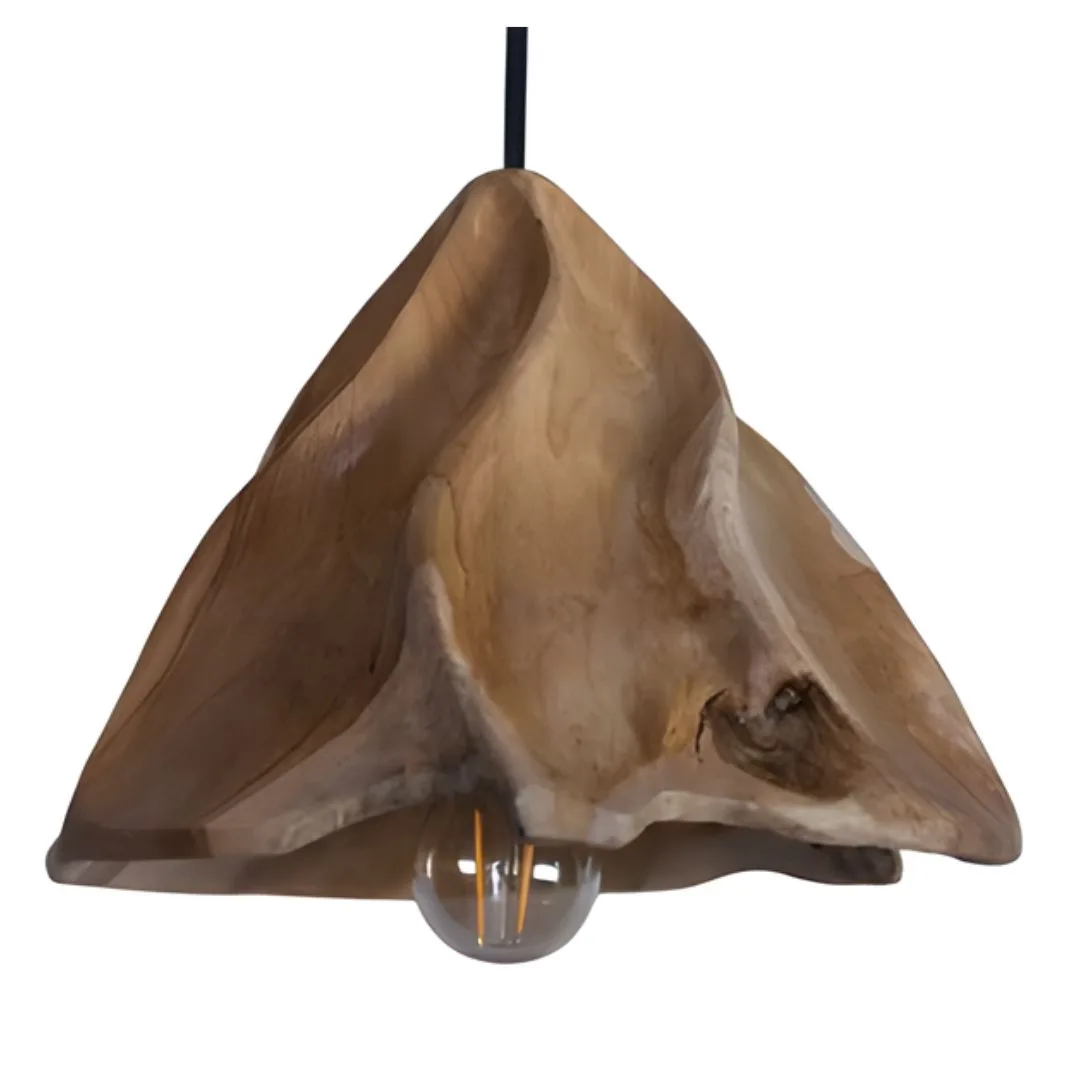 Woodcraft
Lighting Collection
Designed by Fast3D Studio
Harga desain
Free
/ desain
Download Gratis
Woodcraft
Woodcraft
Lighting Collection
Designed by Fast3D Studio
Harga desain
Free
/ desain
Download Gratis
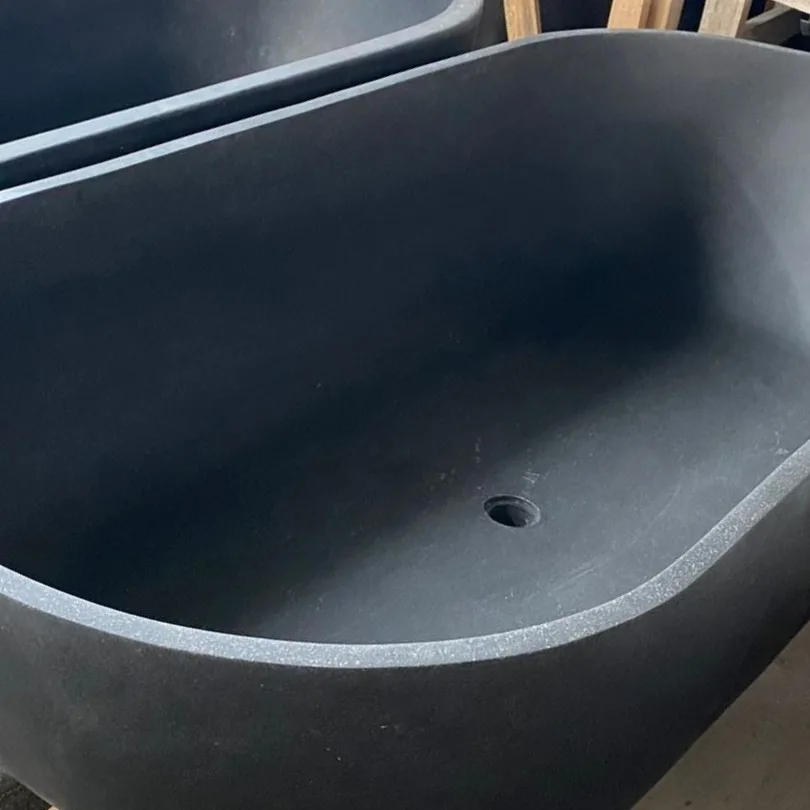 Resin Works
Black Wavy Terramix
Designed by Fast3D Studio
Harga desain
Free
/ desain
Download Gratis
Resin Works
Resin Works
Black Wavy Terramix
Designed by Fast3D Studio
Harga desain
Free
/ desain
Download Gratis
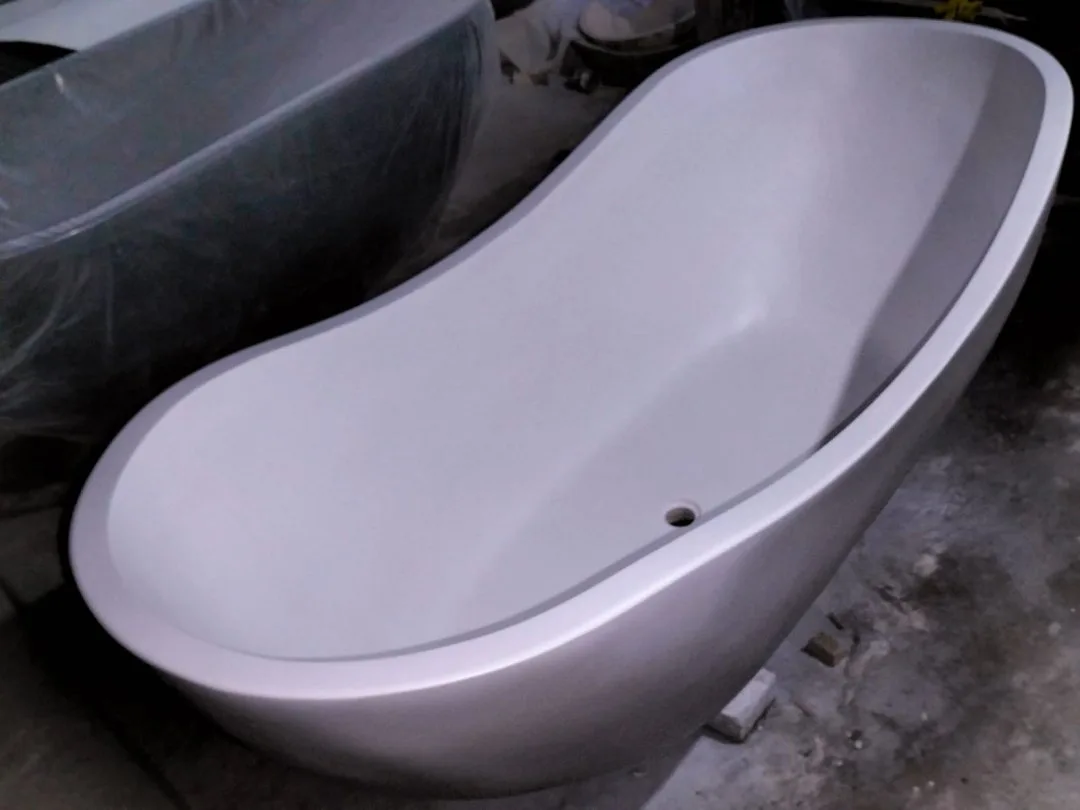 Resin Works
White Wavy Terramix
Designed by Fast3D Studio
Harga desain
Free
/ desain
Download Gratis
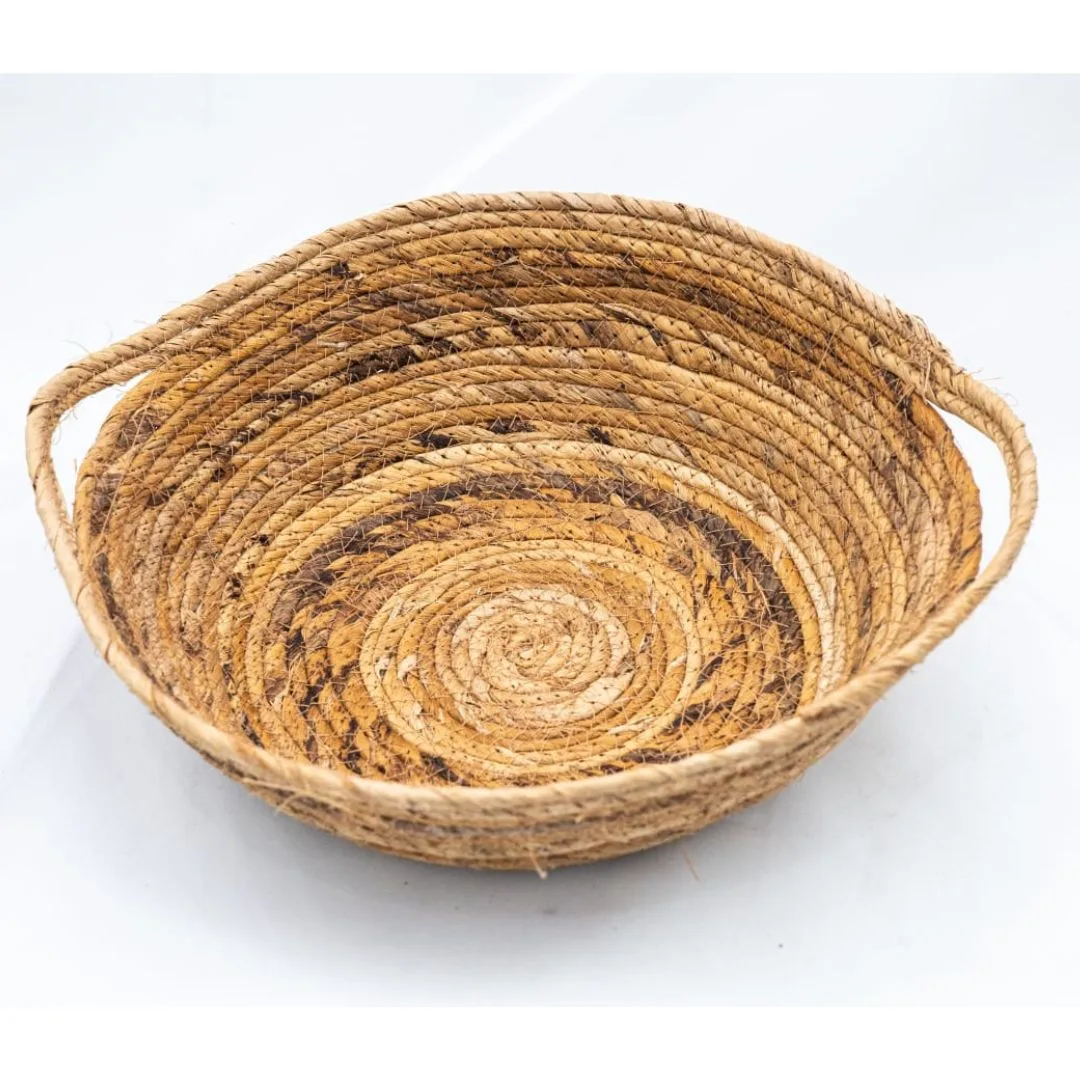
Natural Fiber
Natural Fiber
Bowl With Handle
Designed by Fast3D Studio
Harga desain
Rp 17rb
/ desain
Lihat
Resin Works
Resin Works
White Wavy Terramix
Designed by Fast3D Studio
Harga desain
Free
/ desain
Download Gratis
Natural Fiber
Natural Fiber
Bowl With Handle
Designed by Fast3D Studio
Harga desain
Rp 17rb
/ desain
Lihat


